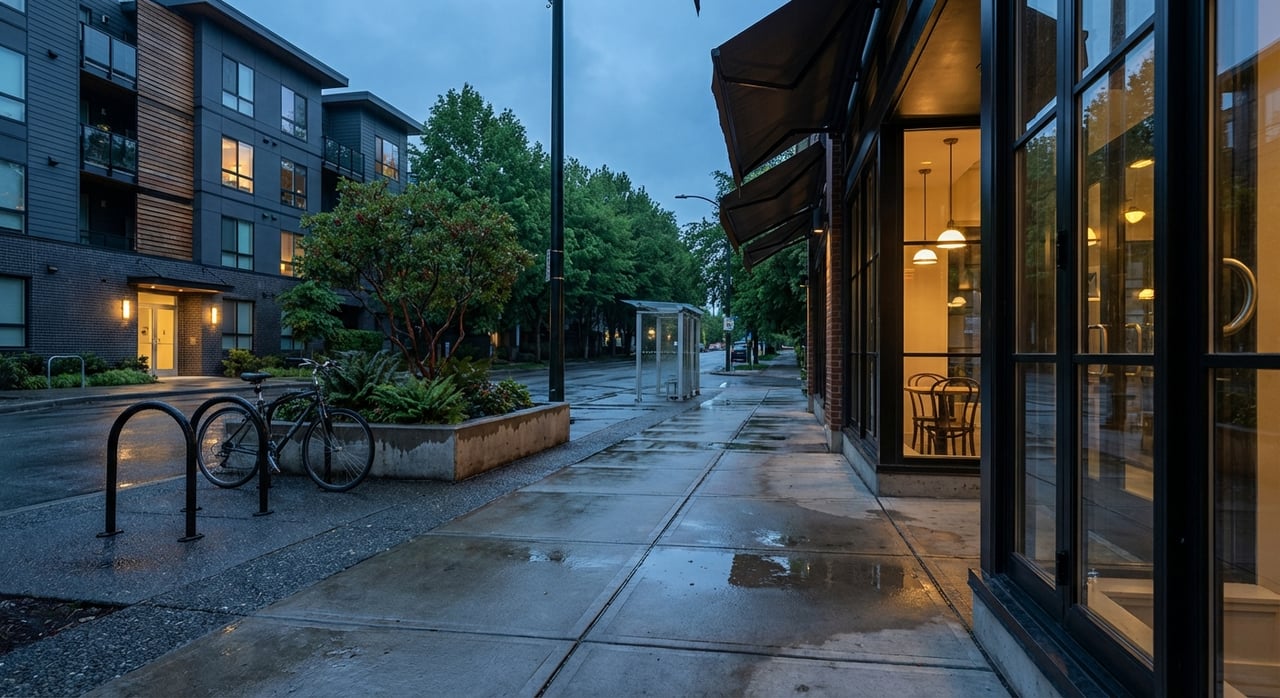
Imagine starting your day with a short stroll to a favorite cafe, grabbing fresh produce on your way home, and catching a train to a show that same evening. If you want a lifestyle where most needs are within easy reach, Seattle’s walkable urban neighborhoods deliver just that. You may be weighing tradeoffs, like less private parking or smaller floor plans, for the freedom of fewer car trips. This guide shows you what daily life looks like on foot, how transit fits in, and what to consider if you want to buy or rent in these areas. Let’s dive in.
What “walkable” means in Seattle
When a location scores as a “Walker’s Paradise,” most daily errands are a short walk. On Walk Score’s Seattle pages, many central addresses have scores in the 90s, which typically means coffee, groceries, parks, and transit stops are within a 5 to 15 minute walk.
Seattle continues to invest in safer crossings and pedestrian-first design. The city’s Vision Zero Action Plan highlights upgrades like enhanced crosswalks and curb ramps. Sidewalk coverage keeps improving, though it can vary from block to block, so it helps to map the exact route you will walk for your daily errands.
Morning rituals within minutes
You can expect coffee shops, bakeries, and quick breakfast spots to cluster along main corridors. Many residents start the day with a 5 to 10 minute walk for coffee and a pastry, then stop by a corner market for essentials. Amenity maps on Walk Score make it easy to see what is nearby.
If you like shopping fresh, you can build a routine around Seattle’s public market culture. Pike Place Market anchors downtown’s scene, and its express and seasonal markets illustrate how easy it is to pick up produce during a short lunch break or on a neighborhood errand day. For example, the Market hosts a rotating set of neighborhood markets like the First Hill Farmers Market, which shows how farm-fresh options pop up right where people live and work.
Parks within a short walk
Seattle ranks highly for park access among major U.S. cities. The Trust for Public Land’s ParkScore emphasizes a 10 minute walk-to-park standard, and across the city you will find pocket parks, playfields, linear greenways, and major destination parks that fit into lunchtime walks, dog walks, or quick workouts. In daily life, that means you can step out for fresh air without planning a half-day excursion.
Transit that fits life
Link light rail and frequent buses are the backbone of a car-light lifestyle. Recent expansions to the north have already made it easier to commute without a car, and more rail is coming soon. Sound Transit plans to open the remaining segment of the East Link extension on March 28, 2026, which will connect the Eastside to Seattle with full service. If you commute or play across Lake Washington, this will be a meaningful change. You can track milestones on Sound Transit’s East Link page.
On the bus network, King County Metro’s RapidRide lines run at frequent intervals on key corridors. Many lines aim for about every 7 to 15 minutes at peak times, with upgraded shelters and off-board payment features that speed travel. See an example of service features on the RapidRide H Line page.
For day-to-day planning, you will probably use a tap-and-go ORCA card and a real-time app. Many riders rely on the OneBusAway app for live bus arrivals and train departures so they can leave right when the next vehicle is due.
Micromobility for the last mile
Short trips often involve a mix of walking, biking, and rolling. You will see residents on personal bikes or e-bikes and, in many areas, shared scooters and bikes for quick hops. These options make it easier to connect from your doorstep to a transit hub or to run a one-mile errand without driving.
Weather and seasons shape the rhythm
Seattle’s climate is temperate and maritime. Winters are wetter and cloudier, summers are typically dry and bright. The National Centers for Environmental Information’s U.S. Climate Normals show how the 1991 to 2020 averages translate into daily life. In practice, you will plan on rain gear and earlier sunsets in winter, then pack your calendar with outdoor plans in summer. Many people keep a compact umbrella by the door and a light shell in their bag so a drizzle never cancels a walk.
Everyday evening and weekend routines
Evenings often start with a 5 to 10 minute walk to dinner, a quick bus to a show, or a light rail ride to meet friends. Seattle’s museums and venues add to the nightly rhythm. The Museum of Pop Culture posts rotating exhibitions and special events that make for easy cultural outings you can reach by transit or a comfortable walk. Browse programs on the MoPOP site to get a feel for what is on tap.
Weekends bring longer walks to parks, neighborhood farmers markets, and gallery visits. Because amenities are close together, you can stack errands and leisure in a single loop: coffee, produce, a bookstore stop, then a park bench with a view.
Housing realities in walkable areas
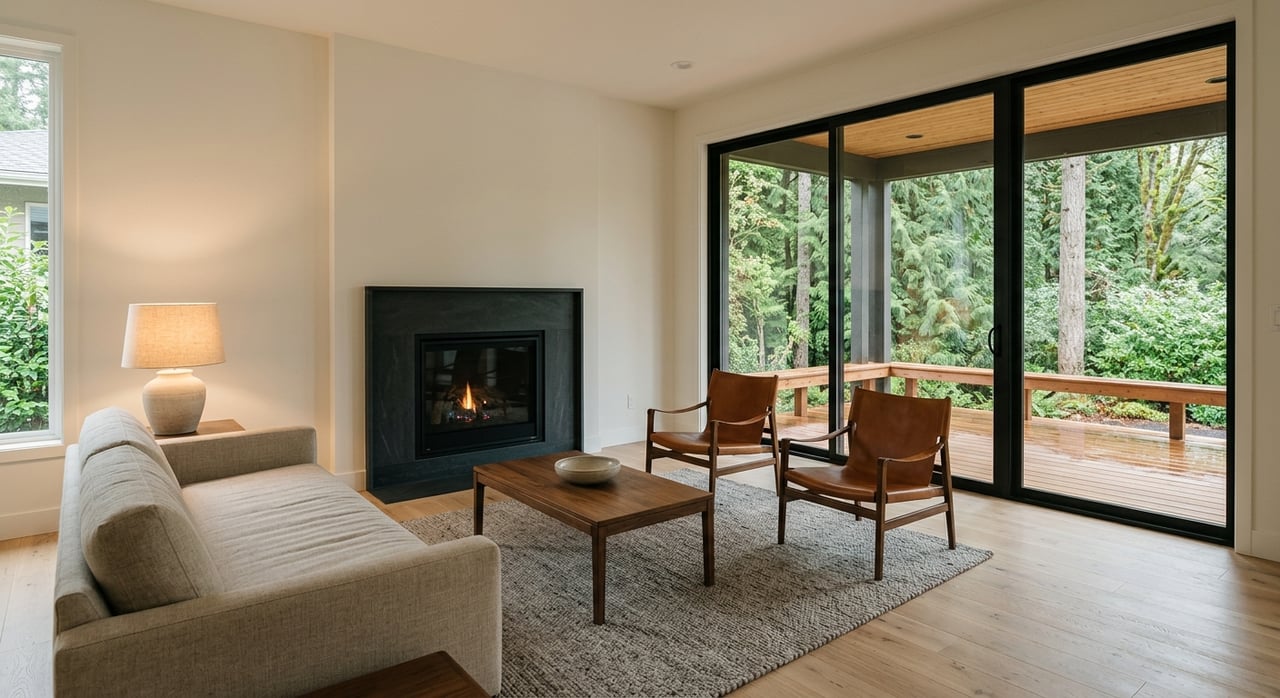
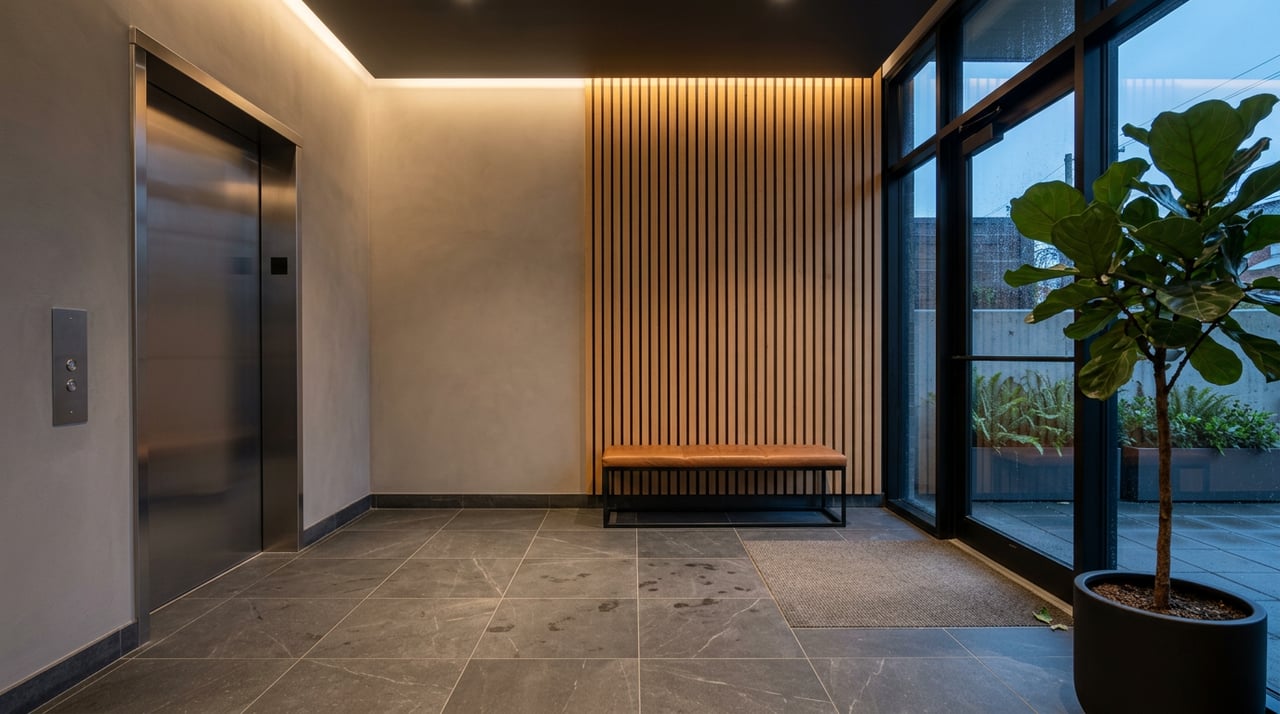
Living in the city’s most walkable pockets usually means choosing from condos, apartments, and townhomes, with fewer traditional single-family options right on main corridors. Buyers often trade a bit of interior space for location convenience. Storage, kitchen size, and in-unit laundry setups can vary, especially in older or compact buildings.
Pricing moves with the market, but here is a city-level snapshot that gives you a baseline for planning:
- The citywide median sale price is around $795,000 as of January 2026. Walkable locations often carry price premiums within their submarkets.
- Condos made up about 13.5 percent of sales across NWMLS-covered areas in 2025, according to a regional summary of the annual report. You can review the breakdowns in this NWMLS 2025 market overview.
- Average asking rent in Seattle was about $2,174 in late January 2026. Renting can be a practical way to test-drive a walkable lifestyle before buying.
Parking is a major variable. Some buildings include one assigned stall, some sell them separately, and some have none. Street parking rules and guest parking policies also differ by block and by HOA. If you plan to keep a car, confirm the details early so there are no surprises.
Building age and style come with different considerations. Pre-war walk-ups, mid-century apartments, and newer towers can have very different systems, maintenance needs, and HOA rules. Ask pointed questions about budgets, reserves, and planned capital projects so you understand both the monthly costs and the long-term outlook.
Smart condo and townhome tips
Use this quick checklist as you evaluate a listing:
- Walking windows: How far is it to a grocery, pharmacy, cafe, and a frequent transit stop within a 10 minute walk?
- Transit frequency: Is there RapidRide or Link access nearby for 7 to 15 minute service at peak times?
- Parking specifics: Is an assigned stall included, available to purchase, or unavailable? What are guest parking rules?
- Storage and bikes: Is there a secure bike room or in-unit storage that fits your day-to-day gear?
- HOA rules: What are policies on pets, leasing, and short-term rentals? Any planned special assessments?
- Building health: What do reserves, maintenance logs, and inspection history say about upcoming projects?
Daily life, simplified
Here is how a typical day can look when most needs are close by:
- Morning: 8 minute walk for espresso, 6 more minutes to a small grocer.
- Midday: 10 minute walk to a pocket park for fresh air, then a short ride to an appointment.
- Evening: 5 minute walk to dinner, 12 minute Link ride to a concert, and an easy walk home.
These routines save time, reduce daily driving, and add spontaneous options to your week.
Is high walkability right for you?
Think through your personal mix of space, budget, and mobility:
- Choose walkability if you want quick access to coffee, markets, parks, and frequent transit, and you are comfortable with compact floor plans and variable parking.
- Consider a slightly less central location if you want a larger home or private yard and do not mind driving for more errands.
If you are on the fence, renting first in a walkable area can help you learn your true patterns before you buy.
City programs that support walking
Seattle continues work on safer streets and better pedestrian infrastructure. The Vision Zero Action Plan outlines steps like more leading pedestrian intervals and expanded no-turn-on-red signs. Sidewalk and crossing projects are ongoing across districts. Since conditions vary by block, it is smart to test the exact route you will use at the time of day you plan to walk most.
Ready to map a walkable lifestyle that fits your budget and timeline? Let’s talk through neighborhoods, floor plans, and commute options that match your goals. Reach out to Meredith Laws to schedule a free consultation and start planning your next move.
FAQs
What defines a “walkable” Seattle neighborhood?
- In many central areas, daily needs are within a 5 to 15 minute walk, which aligns with Walk Score’s “Walker’s Paradise” concept. Coverage varies block by block, so map your most-used routes.
How will Link light rail changes affect commutes in the Seattle–Bellevue–Everett area?
- The East Link extension is slated to fully open on March 28, 2026, improving cross-lake connections. Recent northern extensions have already expanded car-light commute options.
Are parks truly nearby in walkable parts of Seattle?
- Yes. Seattle scores well on national park-access measures, and many homes are within a 10 minute walk of a park, including small pocket parks and major green spaces.
What housing types and costs should I expect in walkable urban areas?
- You will see more condos, apartments, and townhomes. As a citywide baseline, the median sale price is about $795,000 and average asking rent is roughly $2,174. Condos made up about 13.5 percent of 2025 sales in NWMLS-covered areas.
What tools make a car-light lifestyle easier day to day?
- Use an ORCA card for tap-and-go fares, plan around frequent RapidRide lines, and check the OneBusAway app for live arrival times so you can leave right when the next bus or train is due.