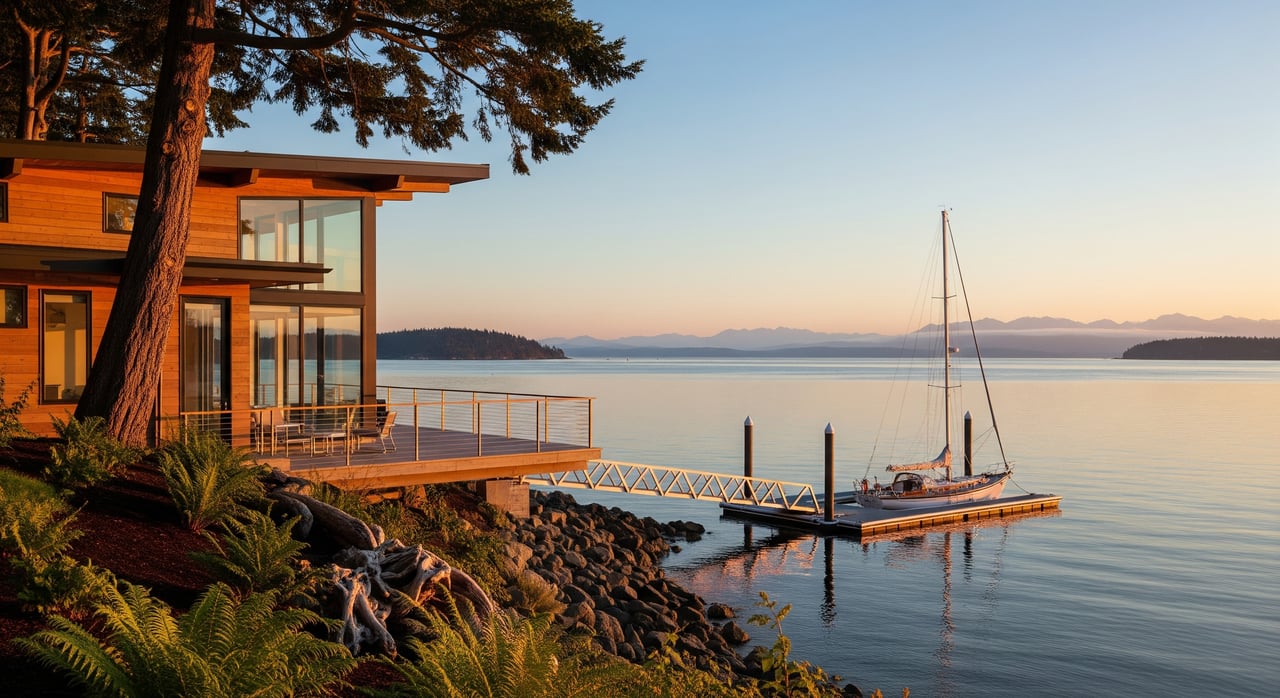
Thinking about a home where the tide sets your daily rhythm and eagles glide past your windows? If Hansville’s shoreline is calling, you’re not alone. Buyers are drawn to its quiet beaches, big-water views, and easy access to outdoor life, but inventory is limited and every stretch of beach is different. In this guide, you’ll learn where to focus, what truly drives value, the best times to shop, and the key due diligence steps that protect your purchase. Let’s dive in.
Hansville waterfront at a glance
Hansville sits at the northern tip of Kitsap County along Admiralty Inlet. The shoreline mixes rocky points, pocket coves, and bluffs, with Point No Point County Park anchoring the north end as a beloved local amenity. Most housing is low-density single-family, from seasonal cottages to full-time homes, with a blend of true waterfront and water-adjacent properties. Because it is a small market, meaningful pricing insight comes from recent, hyper-local sales.
Micro-locations that matter
Point No Point headland
At the northern-most point, you get wide-open Admiralty Inlet views and dramatic boat and wildlife watching. Exposure to wind and swell is higher here, which can add maintenance considerations. Beach access varies by parcel, so verify how you reach the shore and how usable it is at different tides.
Mid-shoreline coves
Between Point No Point and the smaller southern coves, you will find mixed exposures. Some homes are bluff-front with stairs or paths to the beach, while others sit closer to the intertidal area. Protection from northeast weather depends on cove orientation, which also affects calm-water use and perceived privacy.
Inland water-adjacent pockets
Not every great view sits right on the beach. Ridgeline and near-shore streets can offer strong view corridors and short walks to public or community beach access. These homes typically carry lower acquisition and regulatory complexity than direct shorefront.
Property types you will see
You will encounter four common styles:
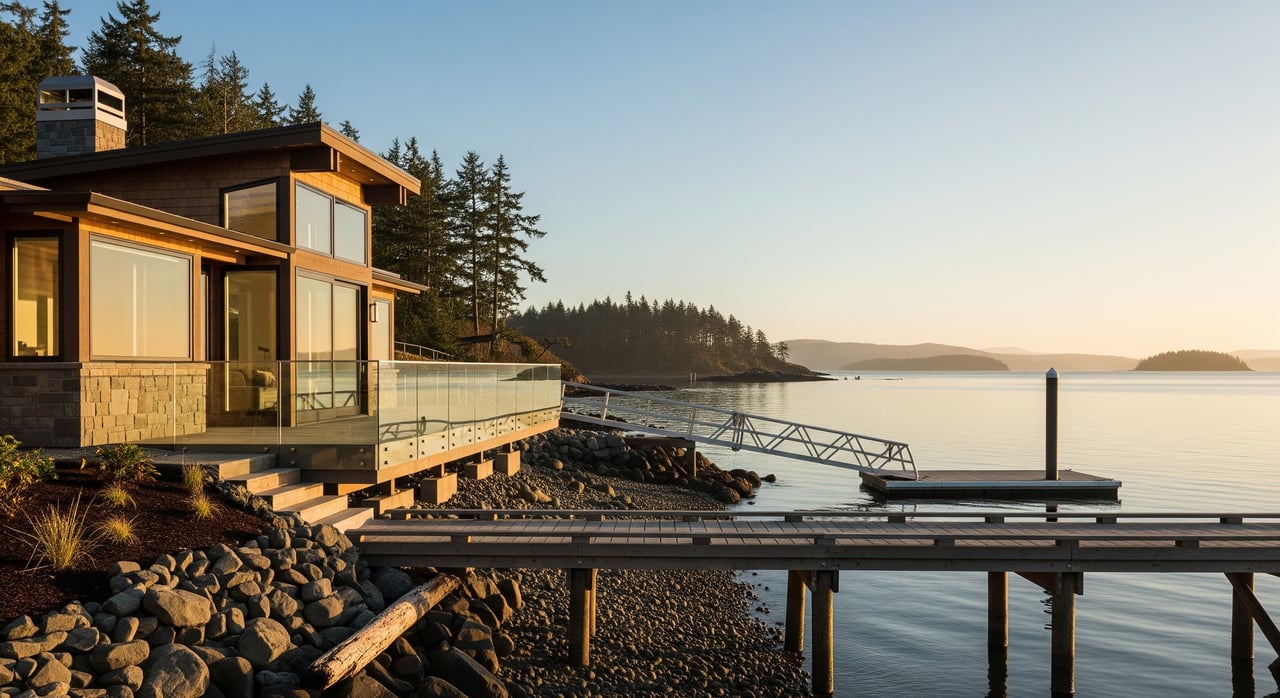
- True waterfront that abuts the shoreline. These parcels often involve shoreline permits, bulkhead history, and tideland considerations.
- Water-adjacent or view homes with protected views or nearby beach access. These can be easier to manage from a permitting standpoint.
- Seasonal cottages and smaller homes that may need upgrades such as septic, structural work, or shoreline protection.
- Larger estate parcels with acreage, privacy, and occasionally private moorage. These are rarer and command a premium.
Key features that move value:
- Usable beach access versus rocky intertidal or steep bluff.
- Dock or moorage rights and the permitting history behind them.
- Unobstructed Admiralty Inlet views and sun exposure, especially west or southwest.
What drives value
Waterfront usually carries a meaningful premium over non-water properties. The size of that premium depends on view quality, usable beach, privacy, parcel size, and any moorage rights. Condition and legality of shoreline structures, such as bulkheads or piers, can add or subtract significant value.
Risk factors that can reduce price include unstable or steep bluffs, limited or unsafe beach access, major deferred maintenance, and regulatory constraints that limit future improvements. Always weigh view and access benefits against long-term upkeep and permitting realities. A home with the right mix of beach usability, permitted improvements, and view can outperform larger but less functional parcels.
Price bands and how to frame budget
Think in tiers rather than fixed dollar amounts because prices shift with market cycles:
- Entry level: smaller or older cottages near the shore, often ideal for renovation-minded buyers.
- Mid-range: typical single-family waterfront with moderate improvements and some private access. This is the core of the market.
- Upper end: renovated homes, private docks, acreage, or exceptional privacy and views.
For current comps, absorption, and list-to-sale dynamics, lean on recent Hansville waterfront sales in the Northwest Multiple Listing Service. Parcel specifics and recent closed data are essential for accurate valuation.
When to shop
Demand peaks in spring and summer, when sellers list and buyers want to close before prime recreational months. Off-season shopping in fall and winter can mean less competition and more room to negotiate. Inspections for shoreline, drainage, and septic often benefit from wetter weather because issues are easier to spot.
If rental income is part of your plan, remember that short-term demand is seasonal. Evaluate any rental assumptions alongside county regulations and septic capacity.
Due diligence checklist for Hansville buyers
Buying on the water requires extra steps. Use this checklist to protect your investment.
Title and shoreline rights
- Confirm tideland ownership and any riparian or moorage rights through the deed and title report. In Washington, tidelands below the ordinary high water mark are generally state-owned; verify what conveys with the property.
- Review recorded easements and any road or beach association rules that affect access and maintenance.
Permits and shoreline improvements
- Verify permits for bulkheads, piers, docks, and other shoreline work. Many projects require county shoreline permits and may involve state review.
- Start with the Kitsap County Department of Community Development for shoreline and critical areas questions.
- For in-water work, understand Hydraulic Project Approval guidance from the Washington Department of Fish and Wildlife and statewide shoreline rules from the Department of Ecology.
Septic systems and water supply
- Many homes rely on on-site septic. Obtain inspection records, pump-out history, and any approvals through the Kitsap Public Health District.
- Confirm water source and pressure, whether through the Kitsap Public Utility District, a community system, or a private well.
Hazards, flood, and insurance
- Check FEMA flood zones and base flood elevations using the FEMA Map Service Center. Insurance premiums and coverage terms can vary by zone.
- Consider tsunami evacuation mapping for Admiralty Inlet and ask engineers about coastal erosion or bluff stability.
- Expect higher maintenance from wind and salt exposure that can affect roofs, metalwork, and exterior wood.
Environmental and stormwater
- Nearshore areas may be subject to protections for eelgrass, forage fish, shellfish beds, and native vegetation, which can limit development and require mitigation. The Department of Ecology is a key resource for Shoreline Master Program guidance.
- Confirm stormwater handling on-site and in the neighborhood to avoid runoff issues during heavy rains.
Access, utilities, and survey
- Private roads are common. Verify recorded maintenance agreements, snow plowing expectations, and right-of-way.
- Cell and internet service can vary by micro-location. Confirm providers and speeds.
- Order a current survey that identifies the ordinary high water mark, setbacks, and any encroachments. Littoral boundaries can be complex without a survey.
Transaction structure
- Use contingencies that fit waterfront: septic inspection and approval, shoreline permit review, title review for marine rights, and a survey.
- Allow time in escrow to gather permit records, schedule inspections, and confirm any required documentation.
- Reference local, recent comps through the Northwest Multiple Listing Service for negotiation and appraisal support.
How Meredith helps you buy well
You deserve a process that is calm, thorough, and locally informed. With deep experience across Seattle and North Kitsap, Meredith brings hyper-local comp analysis, micro-location insight, and a clear plan for due diligence. She coordinates septic, shoreline, and survey professionals, reviews permit history with county and state resources, and helps you understand trade-offs like beach usability, bluff conditions, and future project feasibility.
Meredith also curates suitable options and keeps you ahead of seasonal timing, so you can move quickly on the right property and pass on the wrong one. Her negotiation approach is grounded in real data and credible documentation, which strengthens your position from offer through closing.
Ready to explore Hansville?
Whether you want a quiet cove for beach walks or an open-water perch with sweeping inlet views, the right preparation makes all the difference. Focus on usable beach, permitted improvements, and long-term feasibility, and verify everything before you waive contingencies. If you want a trusted guide from first tour to closing, reach out to Meredith Laws to start your plan.
FAQs
What should Hansville waterfront buyers know about shoreline permits?
- Many marine structures need county shoreline permits and may require state review; confirm records with the Kitsap County Department of Community Development and state guidance from the Department of Ecology.
How do docks and moorage affect value in Hansville?
- A permitted private dock or moorage rights can add significant value, but only when properly permitted and maintained; verify rights and history and consult WDFW’s HPA guidance for in-water work.
When is the best time to buy a Hansville waterfront home?
- Spring and summer see more listings and competition, while fall and winter can offer better negotiating conditions and reveal seasonal drainage issues during inspections.
Which inspections are most important for Hansville waterfront properties?
- Prioritize septic inspection and approval, shoreline structure assessment, bluff stability evaluation, and a current survey that shows the ordinary high water mark and setbacks.
How do flood and tsunami risks affect insurance near Admiralty Inlet?
- Flood zones influence availability and pricing of coverage; check the FEMA Map Service Center and consider local tsunami guidance, then get quotes early to understand total cost of ownership.
Where can I check tides and currents when evaluating beach use?
- Use NOAA Tides & Currents to understand local tidal ranges and timing, which affect beach access, moorage, and the usability of intertidal areas.