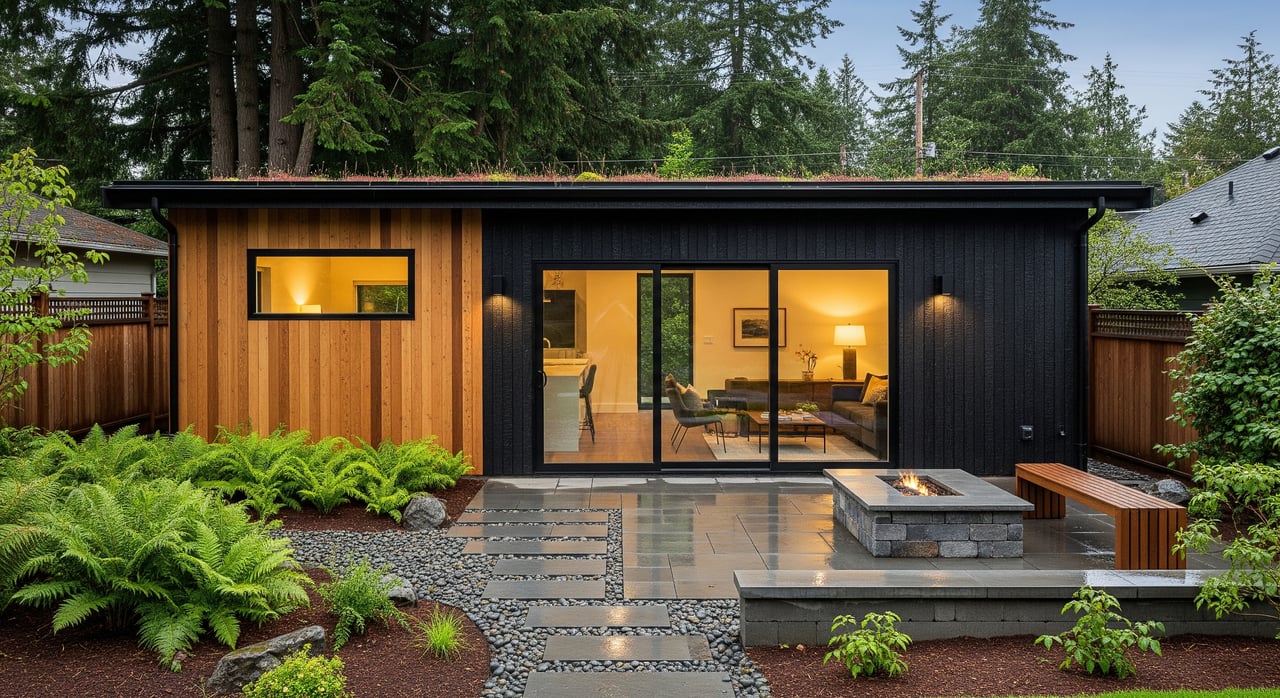
Thinking about adding an accessory dwelling unit to your Seattle property? You are not alone. ADUs are a flexible way to create space for family, generate rental income, or boost long-term value. In this guide, you will get clear answers on what an ADU is, where to start, how much it may cost, the permit path, and what to watch for in Seattle and greater King County. Let’s dive in.
What is an ADU?
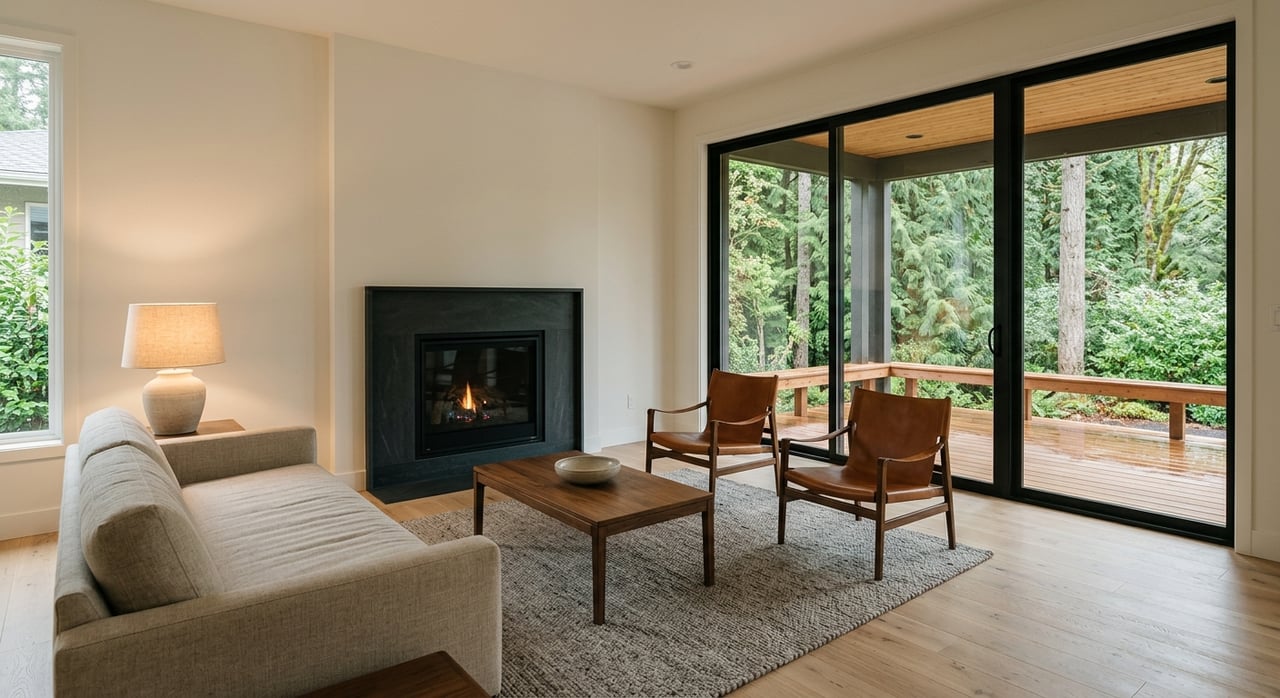
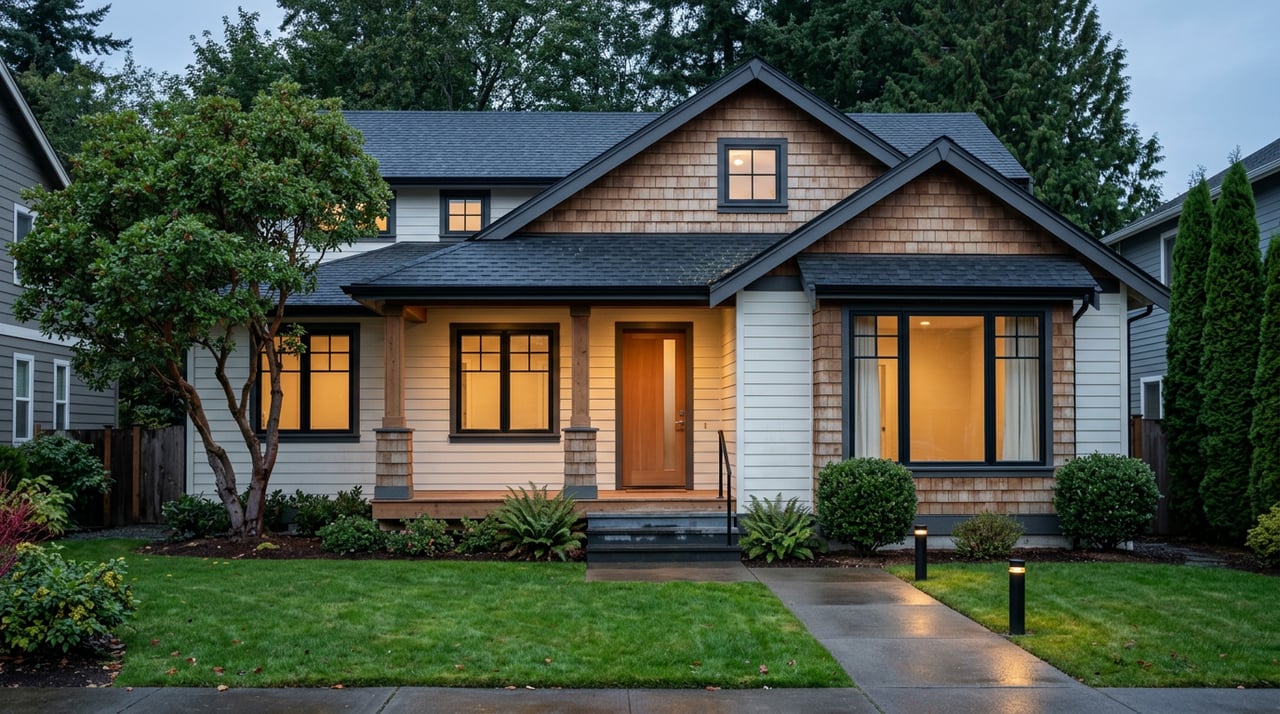
An accessory dwelling unit is a smaller, independent home on the same lot as your primary house. It has its own kitchen, bathroom, and living area. In Seattle, ADUs can be created within the existing home or as a separate structure, subject to local rules.
Common ADU types include:
- Detached ADU. A stand-alone backyard cottage.
- Attached ADU. An addition connected to your main home.
- Converted ADU. A basement, attic, or garage converted to living space.
- Junior ADU (JADU). A compact unit within the primary home with limits on size. Rules vary, so confirm with the City of Seattle first.
Seattle vs. King County basics
Inside Seattle city limits, the Seattle Department of Construction and Inspections (SDCI) is your primary source for zoning and permits. In unincorporated King County, you will work with the King County permitting division. Requirements differ, especially if your property uses a septic system or is near critical areas like steep slopes or shorelines. Start by confirming who regulates your address and which rules apply.
Why homeowners build ADUs
ADUs serve many goals. You might create a space for multigenerational living, a long-term rental, a future caregiver suite, or flexible guest quarters. You can also plan for downsizing on your own property later while keeping options open.
Well-designed ADUs often support property value and can help offset carrying costs through rent. Appraisers look at permitted status, quality of finishes, and local demand. Unpermitted units can hurt resale and financing, so follow the rules and document work.
ADU types and tradeoffs
Different paths come with different costs, timelines, and pros and cons.
Garage conversion
- Pros: Often lower cost, faster than new construction, uses what you have.
- Cons: May remove covered parking and need structural and moisture upgrades.
Basement or attic conversion
- Pros: Keeps your footprint the same and preserves yard space.
- Cons: You must solve for egress, ceiling height, light, and potential moisture issues.
Attached addition
- Pros: Integrated design and the chance for higher-end finishes.
- Cons: Usually higher cost, longer permits and build time, and possible system upgrades.
Detached ADU (backyard cottage)
- Pros: Privacy for each household and strong rental potential.
- Cons: Often the most expensive per square foot and may need new utility runs and landscape changes.
Prefabricated or modular ADU
- Pros: Predictable factory quality and faster on-site installation.
- Cons: Transport, craning, and site prep add cost, and you still need local permits and inspections.
What it might cost
Costs vary by scope, site conditions, and finishes. In Seattle and King County, you can use these rough ranges to start conversations with contractors:
- Simple conversions: about $80,000 to $200,000.
- New detached ADU: commonly $150,000 to $400,000 or more.
Key cost drivers include foundation and structural work, utility extensions, site access and grading, tree protection, architect and engineering fees, permits, and finish level. Get multiple bids and confirm what is included.
Typical timeline
From idea to move-in, many projects take 6 to 18 months. Simpler conversions can be on the shorter end. Detached cottages with full site work often take longer. Your schedule depends on design time, permit review pace, contractor availability, and weather.
Zoning checks to do first
Before you spend on design, confirm the basics for your lot:
- Zoning and overlays. Verify whether ADUs are allowed for your zoning and whether any historic district, shoreline, or critical area rules apply.
- Number of units. Some Washington jurisdictions allow one ADU plus one JADU per lot. Confirm the current rule for your address.
- Size, height, and setbacks. Maximum size and lot coverage limits vary. Check before you sketch.
- Trees and environmental rules. Seattle and King County protect certain trees and slopes. Plan around them early.
Permitting steps in Seattle and King County
The process is similar across jurisdictions, with local nuances.
- Feasibility review. Optional but helpful. Clarify zoning, utilities, and site constraints.
- Design and plans. Prepare site plan, floor plans, structural details, and energy code items.
- Permit application. Submit to SDCI for addresses inside Seattle or to King County permitting for unincorporated areas.
- Plan reviews. Land use, building, structural, mechanical, electrical, plumbing, and energy reviews may apply. Tree reviews apply if relevant.
- Corrections. Respond to reviewer comments in writing and revise plans as needed.
- Permit issuance. Post permits on site and begin construction.
- Inspections and final. Pass inspections at key stages and obtain final approval for occupancy.
Plan for review cycles and be responsive to keep things moving. Your architect or designer will help navigate comments.
Parking and utilities
- Parking. Some areas reduce or waive parking requirements for ADUs, while others do not. Confirm rules for your site and plan how residents will park.
- Sewer, water, and power. Your existing service may or may not have capacity. Detached units often need new or separate connections or approvals to tie into existing lines.
- Septic systems. If you are outside Seattle on septic, get early input on capacity and setbacks.
Building code and livability
ADUs must meet current building codes for egress, smoke and carbon monoxide alarms, fire separation, and energy standards. JADUs may have special interior access rules. You are not required to meet ADA standards for a private ADU, but one-level layouts, wider doors, and an accessible bathroom can broaden appeal and future-proof the design.
Financing your ADU
Homeowners commonly use:
- Cash or savings.
- Home equity line of credit or home equity loan.
- Construction or renovation loans that convert to a permanent mortgage.
- Cash-out refinance of an existing mortgage.
Talk with lenders early about your plan and timeline. Some local incentive or pilot programs may exist for affordable ADUs. Program details change, so check current options before you apply.
Taxes and insurance
Adding an ADU is an improvement that typically raises your property’s assessed value. Expect property taxes to increase once the assessor updates the record after completion. If you rent the ADU, rental income is taxable. Expenses and depreciation may be deductible, so speak with a tax professional about your situation. Also notify your insurance agent to make sure the new unit is covered during construction and after occupancy.
Renting your ADU
Income potential depends on location, size, finishes, and demand. Look at local rental comparables for similar units. If you are considering short-term rentals, Seattle has specific registration and operating rules. Confirm current requirements before you commit to a short-term strategy.
Is an ADU a good fit for you?
You might move forward confidently if:
- You have a clear use case, like family housing now and rental income later.
- Your lot has room for a detached cottage or a clean path to convert existing space.
- You can fund the project and carry the cost through design and permitting.
- You value long-term flexibility and potential resale upside.
If your lot has major slope, limited access, or tree constraints, or if you rely on covered parking that would be removed, a detached ADU may be less feasible. A basement or attic conversion can still offer value with a smaller footprint and budget.
Practical homeowner checklist
Use this list to organize your first 60 days of planning:
- Confirm which agency regulates your address and whether ADUs or JADUs are allowed.
- Check setbacks, lot coverage, height limits, and any historic or critical area overlays.
- Discuss sewer, water, and electrical capacity with your designer early.
- Identify parking solutions if required.
- Map permit steps, likely fees, and estimated timelines.
- Get preliminary cost estimates from at least two contractors and an architect or designer.
- Confirm insurance implications and speak with a tax advisor about deductions and future taxes.
- Decide how you will use the unit and whether short-term rentals are part of your plan.
- Explore financing options and get pre-approval if needed.
Smart next steps
- Start with feasibility. A quick zoning and site constraints check will save time and money.
- Talk to an architect. Ask about recent ADU projects in Seattle or King County and what they learned.
- Get multiple bids. Ask for scope, allowances, and schedule in writing.
- Plan for contingencies. Build in time and budget buffers for surprises like utility upgrades or drainage work.
If you want a local perspective on how an ADU could impact your home’s value, marketability, or long-term plan, reach out. You will get grounded guidance on neighborhood demand, resale factors, and the steps to move forward with confidence.
Ready to explore your ADU options or discuss value and resale strategy? Connect with Meredith Laws for a friendly, no-pressure consultation.
FAQs
What counts as an ADU in Seattle?
- An ADU is a secondary home on the same lot as your main house with its own kitchen, bathroom, and living space. Seattle allows interior conversions and detached cottages, subject to zoning and building codes.
How much does a Seattle ADU cost?
- Simple conversions often run about $80,000 to $200,000, while new detached cottages commonly range from $150,000 to $400,000 or more depending on size, utilities, and finishes.
How long does an ADU project take?
- Many projects take 6 to 18 months from feasibility through final inspection. Conversions are often faster than new detached builds.
Do I need parking for an ADU in Seattle?
- Some areas reduce or waive parking requirements, while others have specific rules. Confirm the current requirement for your address before you finalize design.
Will my property taxes increase after adding an ADU?
- Yes, improvements typically raise assessed value, so property taxes usually go up after the assessor updates your record.
Can I use my ADU for short-term rentals?
- Seattle has specific short-term rental rules and registration requirements. Confirm current rules before planning a short-term rental strategy.